Growing Methods
Q1.
How are most tomatoes grown in Britain?
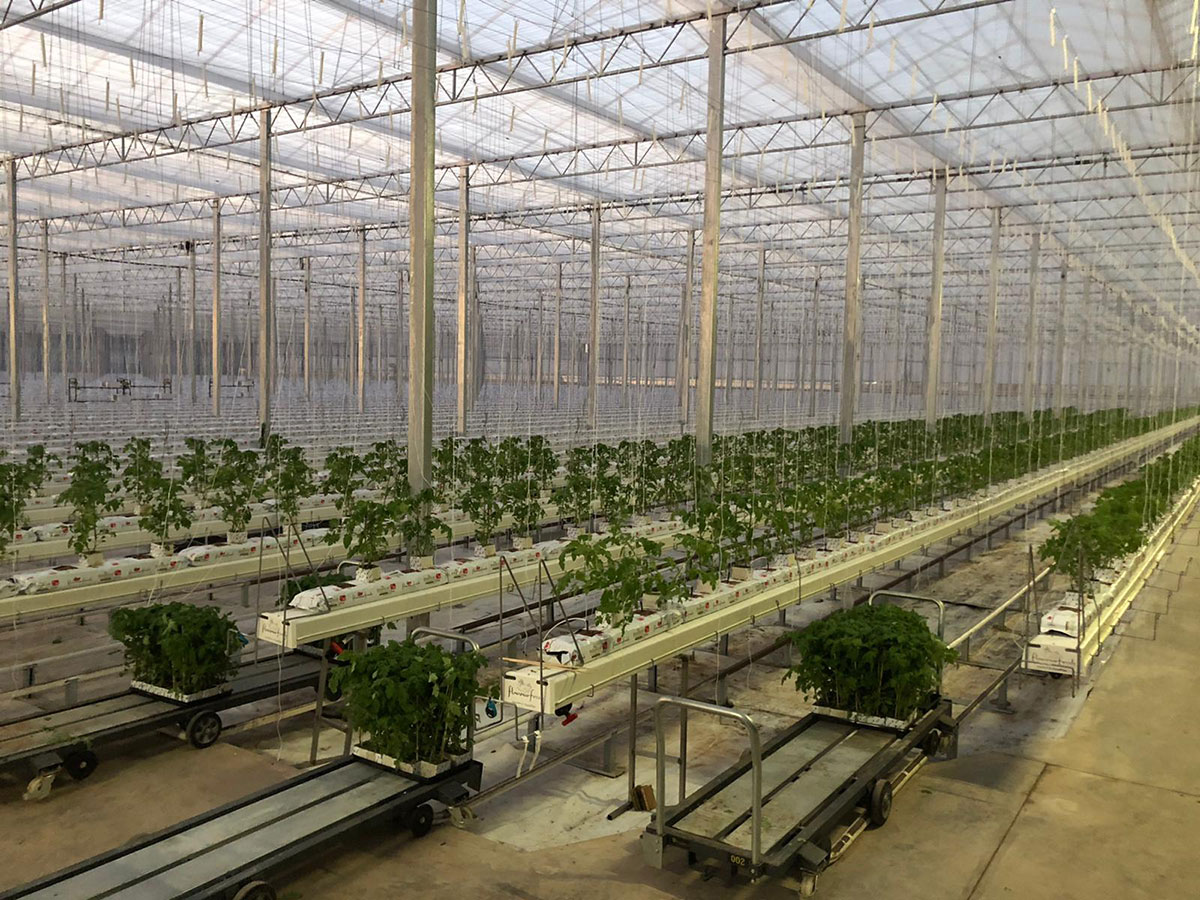
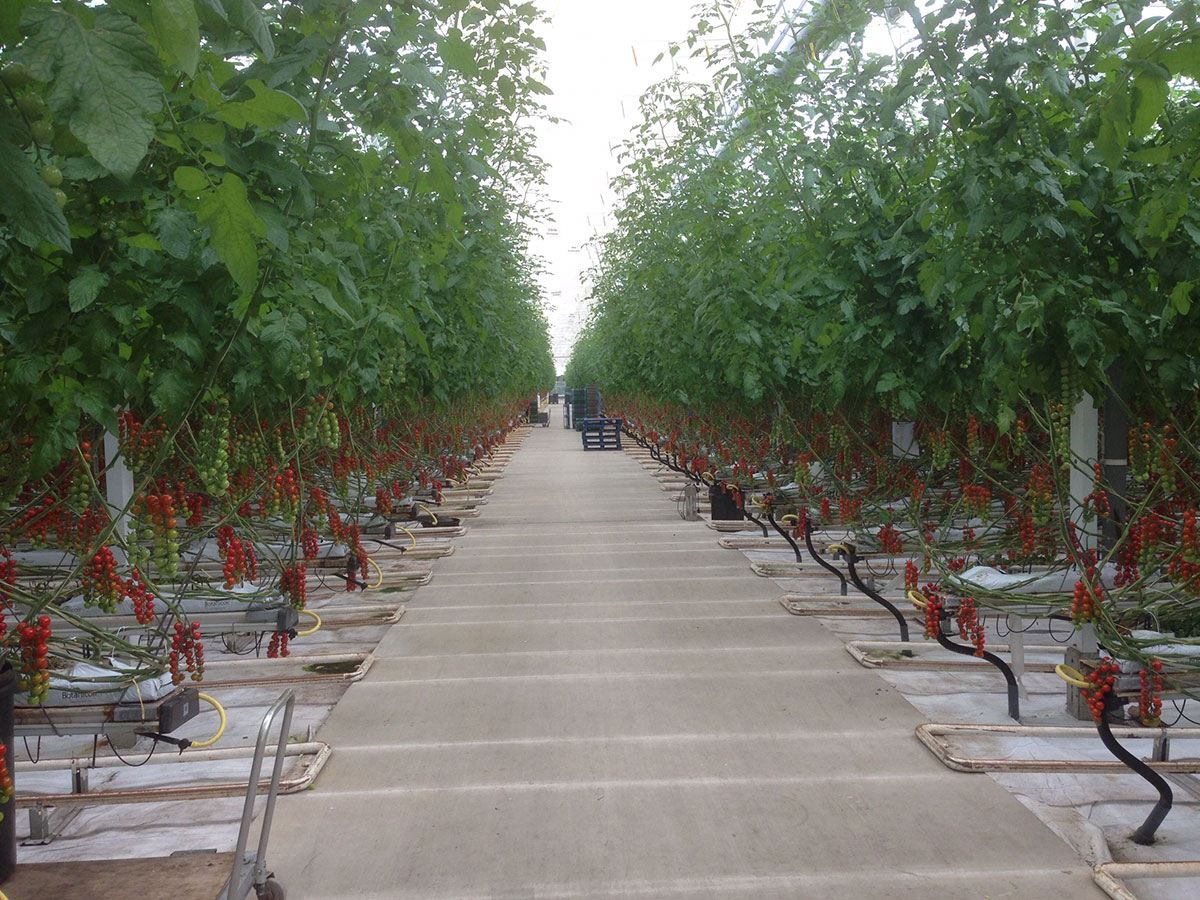
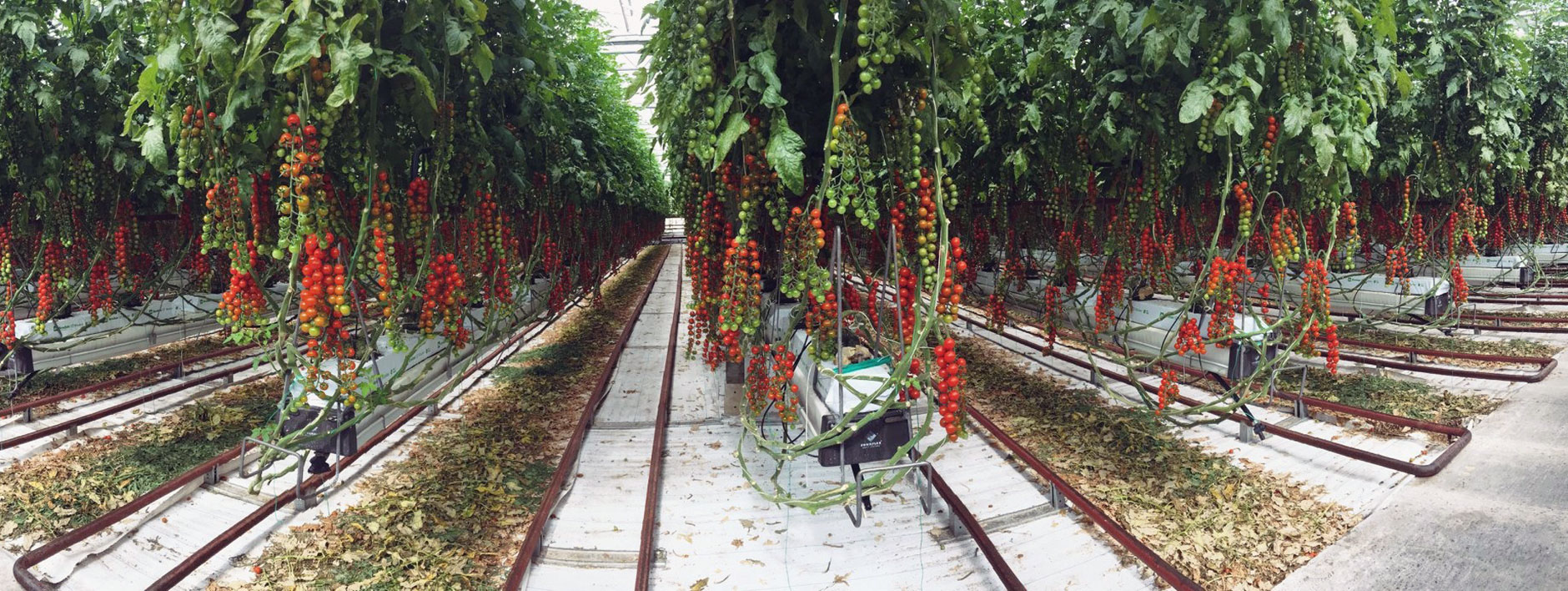
A1. In
Britain tomatoes are grown predominantly under glass, although some are
still grown outdoors in Jersey. Glasshouses allow the tomato season to
be extended from February until November with all year production being
evaluated. Under field conditions tomatoes can only be cultivated
between July and October. Production is far higher under glasshouse
conditions than from outdoor field crops, or crops grown under plastic
in southern Europe.
Q2. How do
glasshouses help to prevent tomatoes getting damaged while growing?
A2. Tomatoes
are easily damaged by the wind, extremes of temperature or fluctuating
weather conditions. Glasshouses offer not only a long growing season
but also provide shelter from the weather and protection from birds and
other animals.
Q3.
How are conditions controlled under glasshouses?
A3. Under
glasshouse conditions, the aerial environment along with crop irrigation
and nutrition is controlled using computers. This also gives the
opportunity to avoid disease infection and to use natural predators to
control pests instead of sprays. Increasingly irrigation systems are
closed (i.e.: excess gets recycled, while leaves and old plants are
composted, rather than being dumped). Cultural systems in Britain are
designed to minimise any impact on the environment. Bumblebees are used
for pollination and pests are biologically controlled using natural
predators rather than chemical sprays.
Q4. How is
the flavour in the tomatoes produced?
A4. Flavour
variations in tomatoes are related to the differences in the sugar and
acid content of the fruit. For the best flavour in a tomato crop, high
sugar and relatively high acids are required. High acids and low sugars
will produce a sharp-tasting tomato, whereas when both sugar and acid
levels are low, the flavour will be bland.
Q5. From flowering
how many days does it take for a tomato to reach full ripeness?
A5. It takes 40-60 days
from flowering for a tomato to reach full ripeness, depending on
temperature and the variety.
Q6. How long does it
take for a British tomato to reach the supermarket shelf?
A6. It takes 1-3 days
for a British tomato to reach the supermarket shelf from the time it is
harvested.
Q7.
How does the sunlight and temperature affect tomato yield?
A7. Sunlight
increases tomato yields, rather than warm temperatures. Very high
temperatures may suppress yields and give
poorer flavour and a shorter shelf-life. High temperatures also reduce
the concentration of the red tomato pigment lycopene. The optimum
temperature for lycopene synthesis in tomato fruits is 16-21șC,
exactly the range at which British tomato growers aim to control the
temperature of their glasshouses.
Q8. How does
pollination in the glasshouses work?
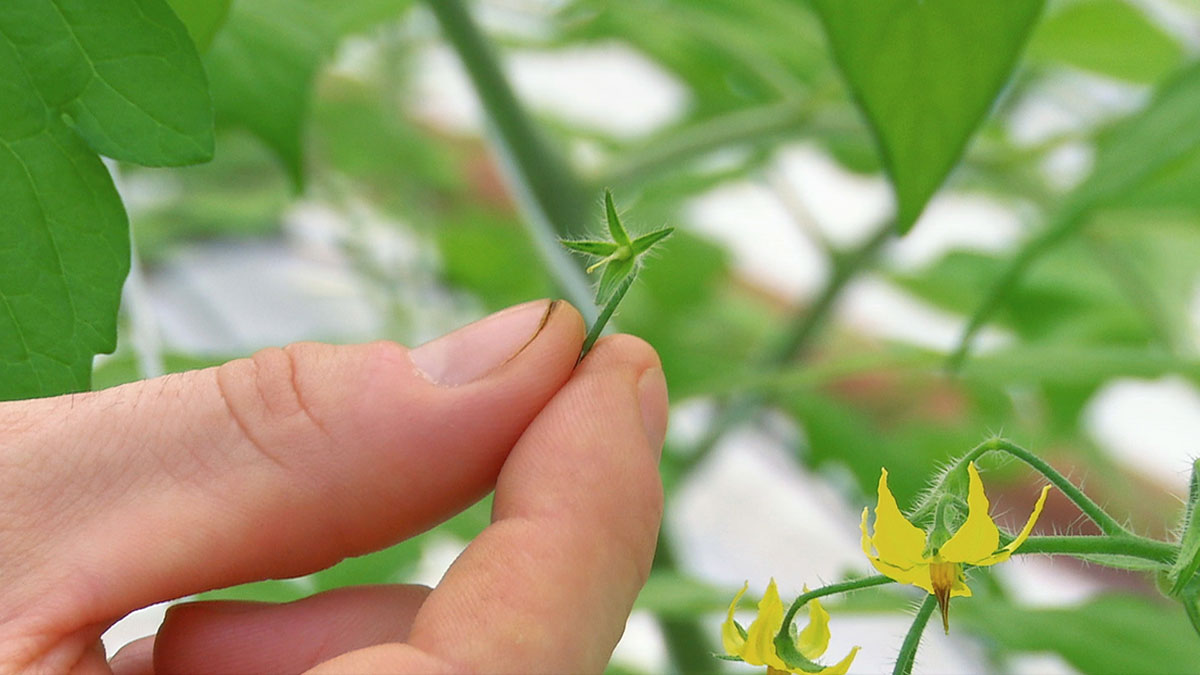
A8. Bumblebees are used for
pollination, although according to the Tomato Growers Association, rock
music is
also played in some nurseries. The beat of the music causes
vibration which helps pollination and thus
increases yield