The History of Tomatoes
Q1. Where do
tomatoes originate from?
A1. Tomatoes originated
from the Andes, in what is now called Peru, Bolivia, Chile and Ecuador -
where they grew wild. They were first cultivated by the Aztecs and
Incas as early as 700 AD.
Q2. When did
tomatoes first arrive in Europe?
A2. Tomatoes didn’t
arrive in Europe until the 16th Century, although it is not known
how. It has been said that they were brought back from Central America
by Spanish Conquistadors Another legend suggests that two Jesuit
priests brought them to Italy from Mexico. Others say Columbus brought
the first tomato to Europe.
Q3. What were
the first cultivated tomatoes like?
A3. The first
cultivated tomatoes were yellow and cherry-sized, earning them the name
golden apples. They were considered poisonous but appreciated for their
beauty.
Q4. What is
the Latin name for the cultivated tomato?
A4. The Latin name for
the cultivated tomato is Lycopersicon escutentum, which means edible
wolf's peach,
though no one is quite sure why wolf's peach. Soon
after the tomato's arrival in Europe, it was also known
as the Peruvian apple.
Q5. What type
of tomato is Lycopersicon pimpinellifolium?
A5. Lycopersicon
pimpinellifolium is a wild species of tomato which is found in the low
altitude coastal valleys in Peru. It produces cherry-size red fruit and
easily hybridises with cultivated varieties. It has been used in
breeding programmes for commercial varieties and has been useful in
introducing some disease resistance to these.
Q6. What type of
tomato is Lycopersicon hirsutum?
A6. Lycopersicon
hirsutum is a wild green-fruited species found at high altitudes in
moist river valleys.
Q7. What type
of tomato is Lycopersicon peruvianum?
A7. Lycopersicon
peruvianum is another wild green-fruited species which is very
variable in character
and is found over a wide area, as far south as the Africa
province of Chile.
Q8. What type of
tomato is Lycopersicon chilense?
A8. Lycopersicon
chilense is a wild species found in a more restricted area, mainly in
Chile and southern Peru.
Q9. What
type of tomato is Lycopersicon cheesmanii?
A9. Lycopersicon
cheesmanii is unusual wild species with ornate, frilly leaves found only
on the Galapagos Islands off the Pacific coast of Equador. It has been
used in plant breeding to introduce tolerance of salty conditions to
commercial varieties.
Q10. What powerful
quality did the French think tomatoes had?
A10. The French were
convinced that tomatoes had powerful aphrodisiac qualities and called
them pommes d'amour (love apples).
Q11. Where did the
English word tomato come from?
A11. The English word
'tomato' derives from the word 'tomatl' its name in Nahuatl, the
language of the Aztec people. The English form 'tomate' first appeared
in the 17th century, and was later modified to 'tomato',
probably under the influence of the more familiar “potato”.
Q12. What were
tomatoes originally grown for in Britain?
A12. Tomatoes were
originally grown in Britain and the rest of Europe as ornamental
climbers and were cultivated for their decorative leaves and fruit.
Q13. What did
the Elizabethans think of the bright red coloured tomatoes?
A13. The Elizabethans
thought the bright red colour of tomatoes was a danger signal and the
fruit poisonous. In fact, tomatoes are a member of the nightshade
family (Solanaceae), which includes henbane, mandrake and deadly
nightshade (bellandonna), which are all poisonous. But potatoes,
peppers and aubergines are also members of this plant family, as is
tobacco. Deadly nightshade is a poisonous plant which has been used as
both a hallucinogenic drug and a beauty aid in different parts pf
Europe.
Q14. Who was
the first known British tomato grower?
A14. The first known
British tomato grower was Patrick Bellow of Castletown who successfully
reared plants
from seeds in 1554.
Q15. What is
the story behind the first tomato eaten in the United States?
A15. Legend has it that
the first tomato to be eaten in the United States was consumed in a
public demonstration by John Gibbon, at Salem, Massachusetts on
September 26th 1830. Despite warnings that its poison would turn
his blood to acid he did not fall to the ground, frothing at the mouth,
or get appendicitis, as had been predicted.
Q16. What century did
commercial cultivation begin?
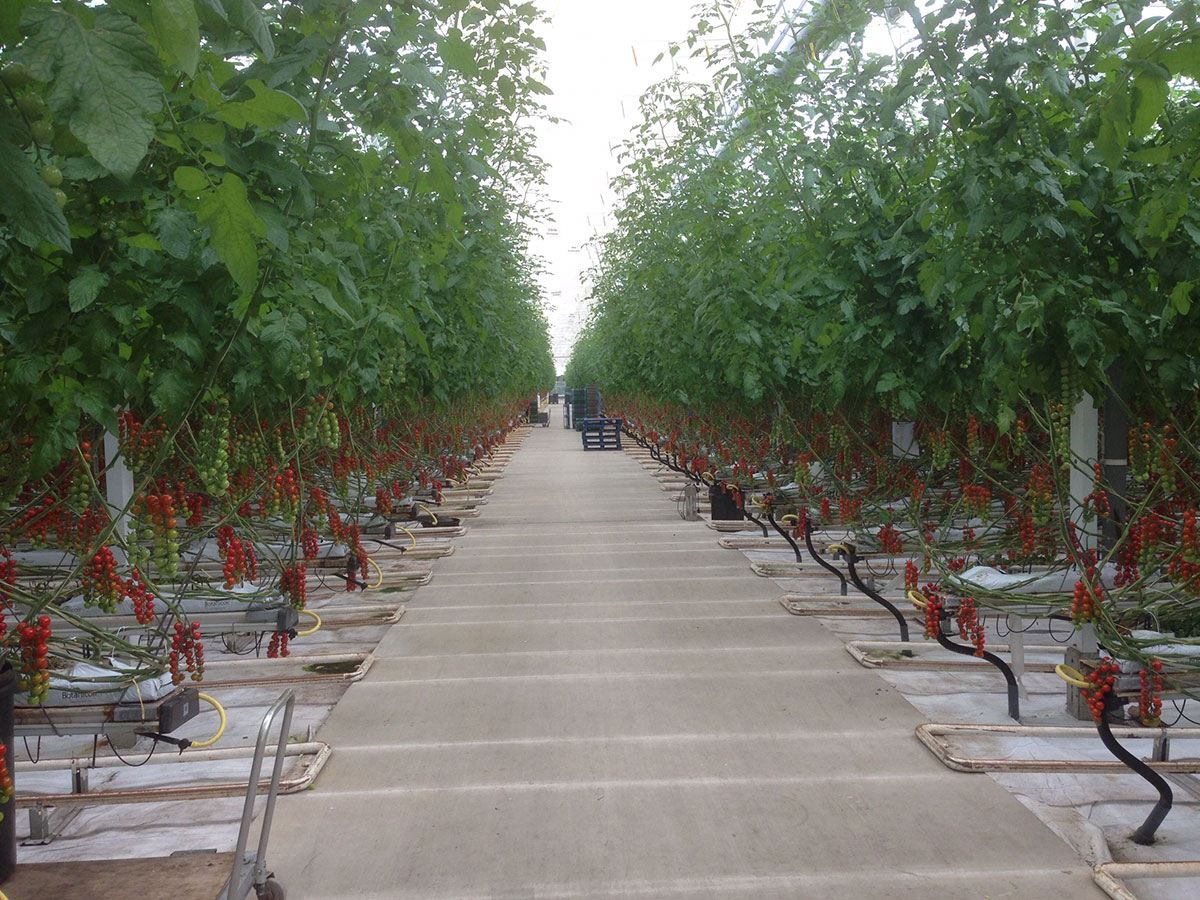
A16. It was not until the
19th Century that commercial tomato cultivation began. The first
commercial glasshouses were built in Kent and Essex in the mid-19th
Century, after large-scale production of sheet glass became possible.